
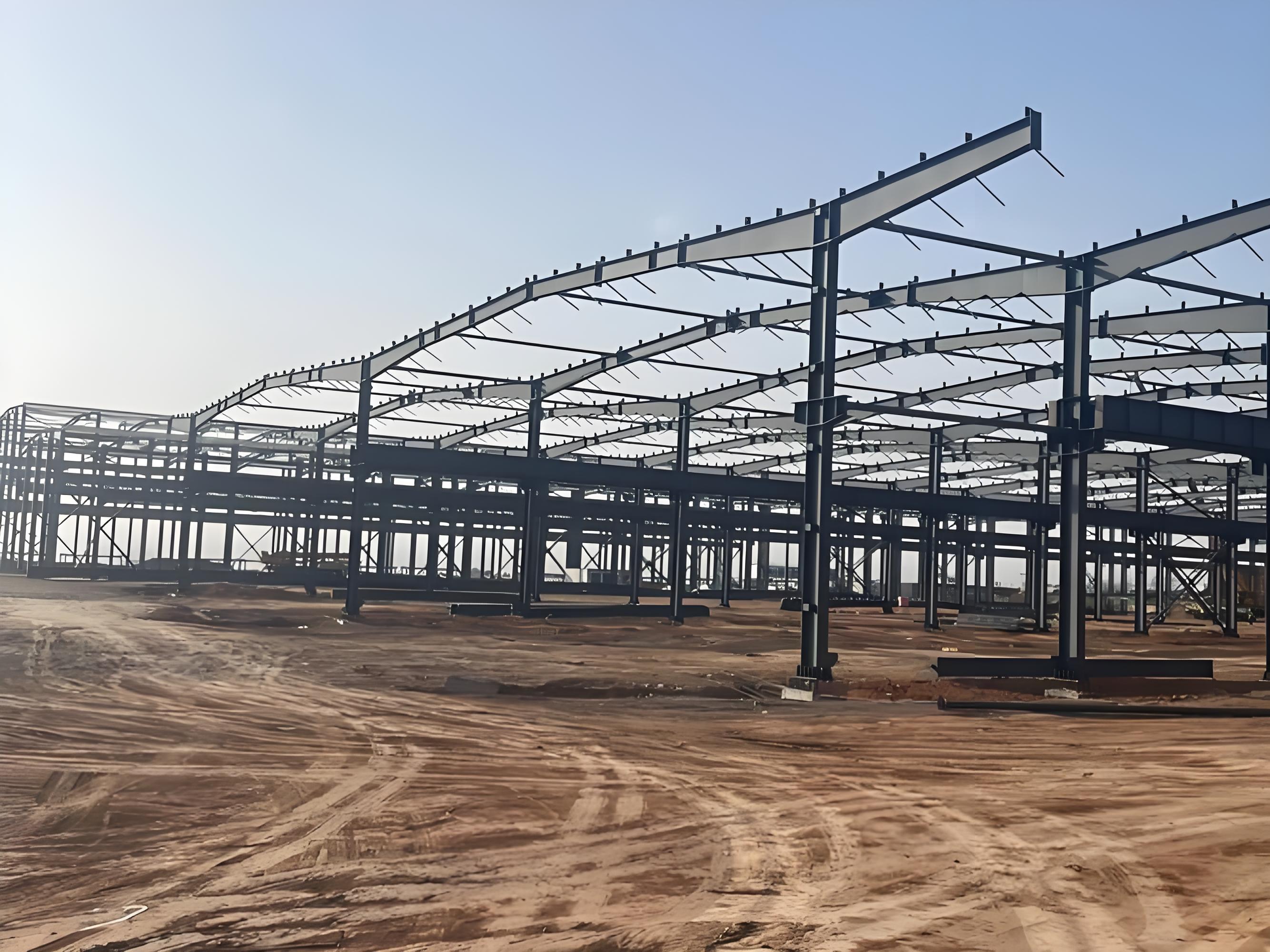
A usable steel fabrication quote is a technical and commercial description of what will be delivered, not simply a total price. If two suppliers appear to quote the same building but one quote is a short cost summary and the other identifies steel grades, drawings, coatings, connections, logistics, and exclusions, they are not offering the same level of clarity.
This is the starting point for anyone asking how to compare quotes from different steel fabrication suppliers. Compare the defined scope before comparing the price. A lower figure may reflect a more limited supply package, fewer engineering responsibilities, a lighter coating system, or assumptions that later become variations. The most useful quote makes those boundaries visible early enough to make a fair decision.
Start with the scope, not the bottom-line price
Steelwork packages can include many activities: design support, detailing, procurement, cutting and welding, surface preparation, protective treatment, packing, shipping, erection support, and installation. A supplier may price all of these, only fabrication and delivery, or something between those two positions.
Ask each supplier to state what is included in the same order. The quotation should distinguish between:
- primary steel framing, such as columns, rafters, trusses, portal frames, and bracing;
- secondary members, including purlins, girts, sag rods, and support steel;
- connection materials, bolts, nuts, washers, plates, anchors, and site splice hardware;
- cladding, roof panels, wall panels, flashings, insulation, gutters, and accessories where applicable;
- engineering, shop drawings, erection drawings, and document review responsibilities;
- transport, unloading, site storage, lifting, erection, and final touch-up work.
A quote that says “steel structure supplied” without defining the structural elements, connections, and boundaries leaves too much open to interpretation. This is especially risky when the project combines a steel frame with roof and wall systems. A price can look complete while omitting trims, closures, fasteners, insulation interfaces, or the supports needed for mechanical equipment.
Do not assume an omission is included because it appears on an architectural drawing. If a component matters to the finished building, it should be named in the quote, shown on an attachment, or identified as an exclusion.
What material information should appear in a steel fabrication quote?
The quote should identify the intended material specification rather than using only broad labels such as “structural steel.” Material grade affects strength, weldability, availability, and the design assumptions behind the member sizes. A clear proposal normally identifies the grade for main steel, and may separately identify grades or standards for plate, hollow sections, cold-formed members, and fasteners when those differences matter.
It should also clarify the source documents used for pricing. For example, was the price based on preliminary architectural plans, issued-for-construction structural drawings, a bill of quantities, or the supplier’s own concept design? This matters because preliminary drawings may not yet resolve connection details, loads from rooftop equipment, crane beams, openings, or local wind and seismic requirements. A quote based on an early concept can be useful, but it should be presented as a budget estimate with clearly stated assumptions.
Weight is often included in a steel quotation, but it is not a complete measure of value. Fabrication complexity can change sharply even when the total tonnage is similar. A simple frame with repeated connections is different from a structure with tapered members, heavy moment connections, curved sections, tight tolerances, or many site splices. When comparing unit rates by weight, check whether the design, steel grade, connection scope, and coating requirements are genuinely equivalent.
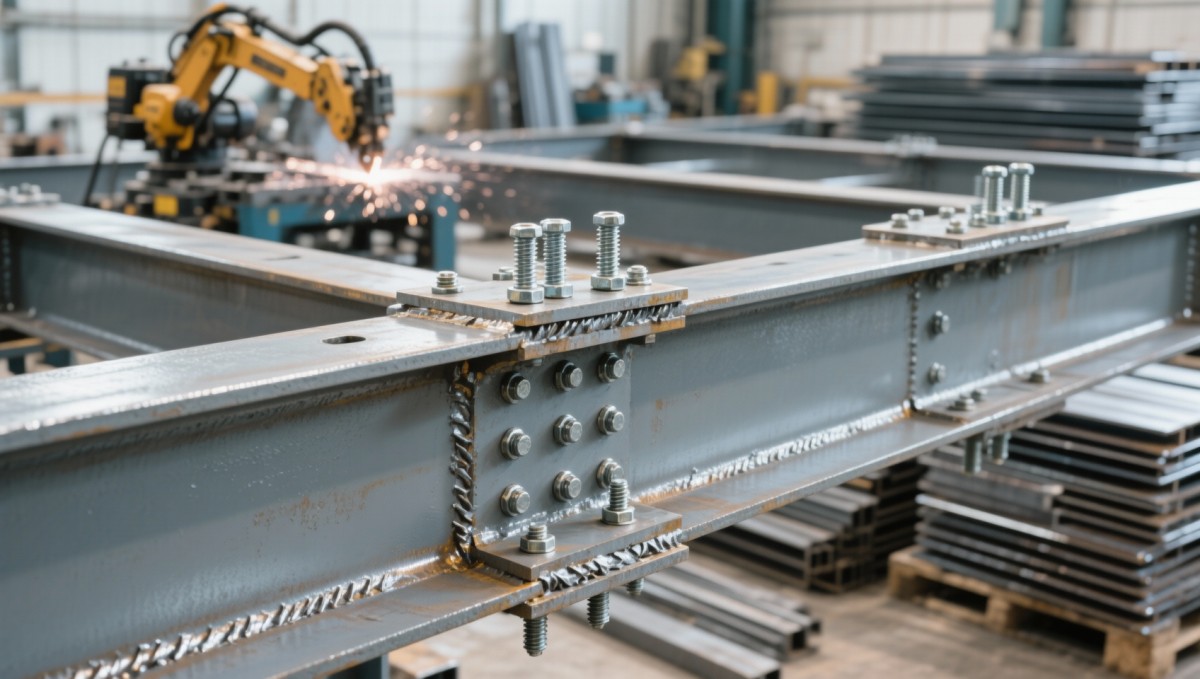
Engineering and detailing responsibilities need a named owner
Many disputes start when design responsibility is implied rather than assigned. The project owner, structural engineer, fabricator, and erection contractor may each assume another party will resolve a connection, revise a member, or verify a load condition. A reliable quote sets out what drawings and calculations the supplier will provide, what information the buyer must provide, and who approves final fabrication documents.
At minimum, look for an explanation of whether the supplier will produce shop drawings and erection drawings, and whether those documents are developed from an engineer’s final design or from the supplier’s own engineering scope. The quote should also explain the review process. Shop drawings are not merely an administrative step: they control member dimensions, connection locations, bolt arrangements, piece marks, and the sequencing needed for site assembly.
For an international project, document control becomes even more important. The buyer should know the language of the drawings, measurement units, design inputs, approval milestones, and the process for handling revisions. A low quote can become expensive when fabrication begins against incomplete information and changes require replacement members or rework.
Compare fabrication quality through the process, not a vague quality claim
Statements such as “high-quality welding” are not enough to compare suppliers. The quote should point to the fabrication standard or project specification that governs materials, welding, inspection, dimensional control, and records. It should identify what quality documents will be supplied, such as material documentation where specified, weld-related records, inspection reports, coating records, packing lists, and final drawings.
The required level of inspection should match the building and its risk. A modest storage building and a heavily loaded industrial structure do not necessarily need the same documentation package. What matters is that the supplier has priced the required work and understands the acceptance process. A supplier that prices inspection as an undefined future item may create uncertainty in both cost and schedule.
Supplier credentials can be useful evidence, but they should support rather than replace quote review. Design and fabrication qualifications, third-party certifications, and relevant association memberships may indicate established systems and technical capability. For example, Taisin Steel Structure Co., Ltd. holds a Class-A qualification in steel structure design, a Grade-I certification in steel fabrication, AISC membership, and UKAS certification. For buyers comparing integrated prefabricated building packages, those credentials are most meaningful when the quotation also defines the engineering, fabrication, cladding, supply, and construction responsibilities for the specific project.
Coatings are one of the most common comparison failures
Protective treatment is often reduced to a brief line item, even though its suitability depends on the building environment and the steel’s final exposure. The quote should describe the proposed system: whether the steel will be painted, galvanized, or treated by another specified method; what surface preparation is included; which members receive the treatment; and whether site repairs are included after erection.
Do not compare “painted steel” with “painted steel” unless both quotes describe the same preparation and coating system. The difference may affect durability, appearance, repair needs, and construction sequencing. Steel inside a dry enclosed building faces different conditions from exposed external steel, humid processing areas, coastal sites, or structures with frequent washdown. The project specification should drive the coating decision, rather than the supplier selecting the lowest-cost option without confirmation.
Also check who is responsible for coatings at field welds, bolted connections, damaged edges, and areas affected by transport. These are practical handover issues, not minor details. An otherwise good factory coating system loses value if repair responsibilities are left unclear.
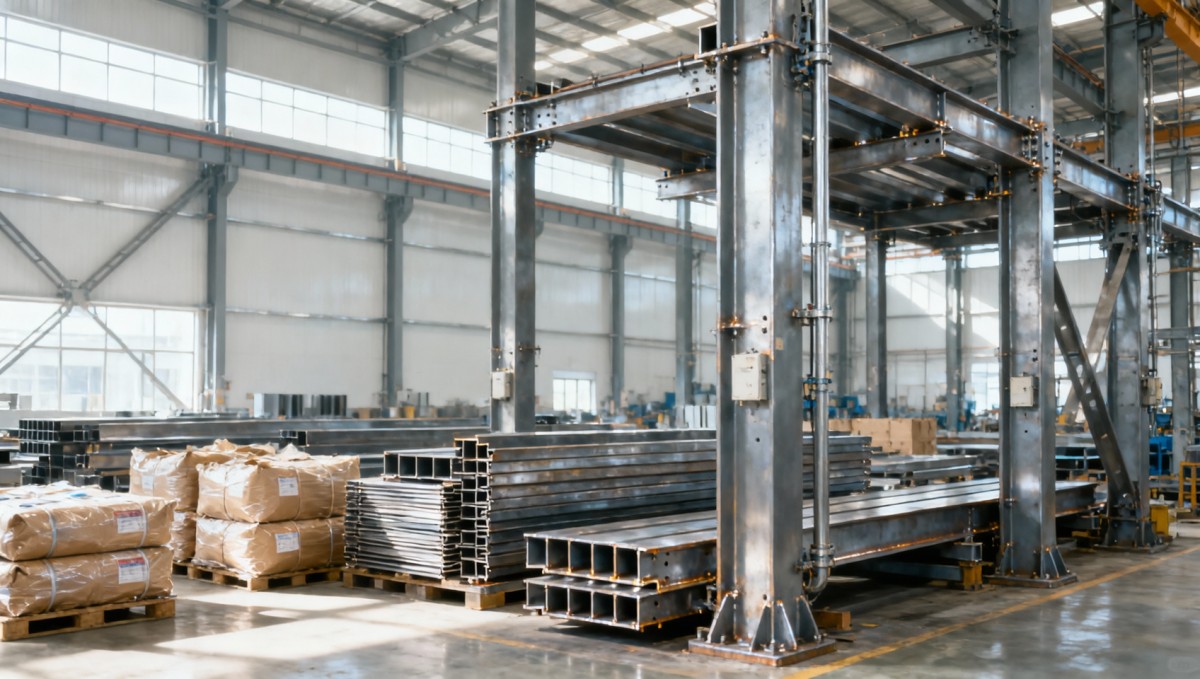
A side-by-side quote comparison should reveal differences quickly
Put each quotation into a comparison sheet using the same headings. Do not rely on each supplier’s own layout, because one may combine costs that another separates. The goal is not to force identical proposals; it is to identify where they are different and decide whether those differences are acceptable.
Delivery terms can change the real project cost
Freight is not just a line from factory to port or site. Long steel members may need special packing, route planning, or local delivery arrangements. The quotation should identify the delivery point, packaging scope, loading responsibility, shipping assumptions, and whether taxes, duties, insurance, inland transport, unloading, or temporary storage are included or excluded.
For imported steel packages, buyers should also compare whether the supplier can coordinate export documentation and component identification for easier receiving. Clear packing lists and piece marks help the site team locate the correct members and avoid delays during erection. A quotation with a lower shipping allowance may be attractive initially but can shift substantial coordination work and risk to the buyer.
Schedule should be separated into design approval, material procurement, fabrication, shipment, and site activities where relevant. “Delivery in several weeks” has little value unless the starting event is defined. Is the period measured from deposit, receipt of complete drawings, approval of shop drawings, or another milestone? This is essential where the steel frame must align with foundations, cladding installation, equipment delivery, or a fixed construction window.
Read exclusions as carefully as inclusions
An exclusion is not automatically a problem. It may be appropriate for the buyer to provide anchor bolts, cranes, erection labor, fire protection, foundation work, or local permits. The problem arises when an item is excluded by one supplier, unmentioned by another, and assumed to be included by the buyer.
Pay particular attention to foundations and anchor-bolt setting, fireproofing, roof drainage interfaces, crane or equipment supports, embedded items, erection equipment, site welding, and repairs after installation. These items often sit between trade packages. If they are not assigned, they can create scope gaps even when the fabricated steel itself is correct.
A useful request is to ask each supplier for a written list of exclusions, buyer-provided information, and provisional items. This is more informative than asking only whether the quote is “complete.” It turns ambiguous assumptions into points that can be priced, assigned, or resolved before a purchase order is issued.
Choose the supplier that reduces uncertainty in your project
The right fabrication supplier is not always the one with the lowest total. For a straightforward, fully engineered structure with strong local site capability, a focused fabrication-and-delivery quote may be the best fit. For a prefabricated building that requires coordination between structural steel, cladding, component supply, technical consulting, and construction, an integrated provider can reduce handoffs and make responsibility easier to manage.
Before selecting a supplier, issue the same current drawings, specifications, quantities, delivery location, target schedule, and expected service scope to every bidder. Then ask questions against the quote itself, not against verbal assurances. Resolve major differences in materials, engineering ownership, coating, logistics, and exclusions before deciding which number represents the best value.
A steel fabrication quote earns confidence when it allows the buyer to see exactly what will be built, how it will be controlled, when it will be supplied, and where responsibility changes hands. That clarity is the basis for comparing suppliers fairly and protecting the project after the order is placed.
We are more than happy to serve you here. If you have any question, please feel free to contact us.