
‹
›
‹
›
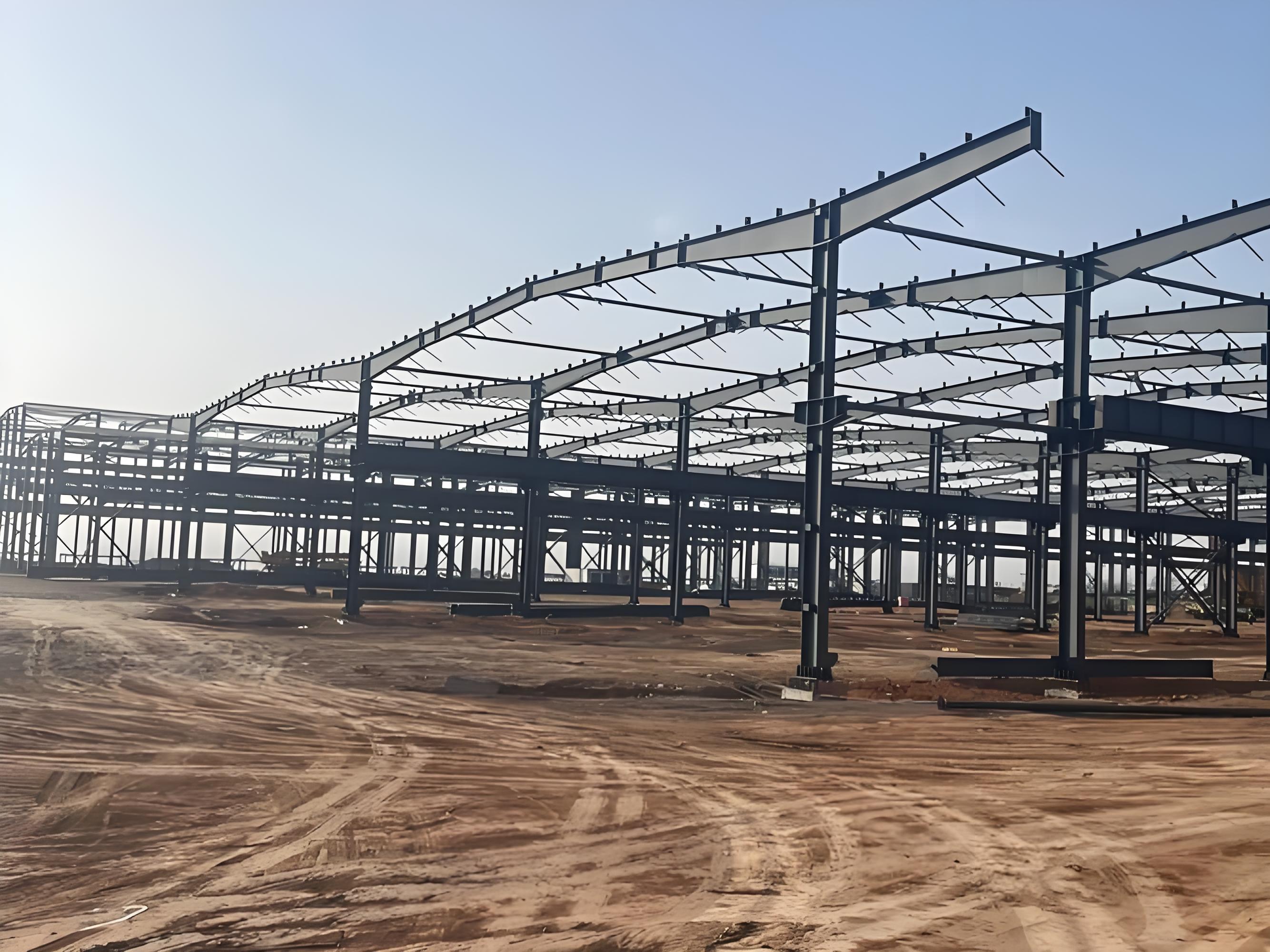
Steel Structure in General Power Plant
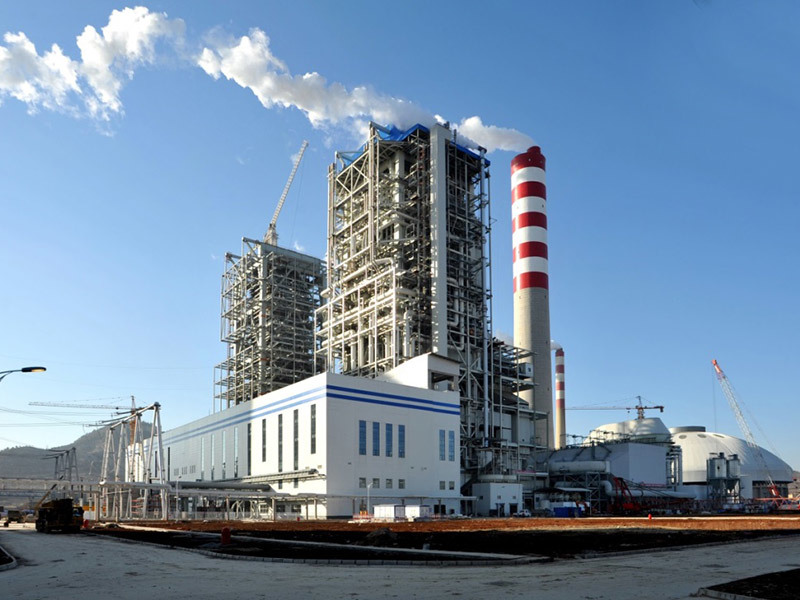
From boiler houses and power houses to coal handling structures, conveyor galleries, and maintenance platforms, we combine technical coordination, fabrication capability, and one-stop project execution to deliver a dependable plant structure system. The result is a facility you can rely on — not just at handover, but for the full service life of the plant.
Product Details
Core Advantages of the Product
Power plant steel structures operate under conditions that ordinary industrial sheds never face: heavy equipment loads, large spans, dense service systems, maintenance access requirements, and long-term operating demands. The goal is not just to erect a structure, but to deliver a structural system that remains stable, serviceable, and efficient throughout the life of the facility.
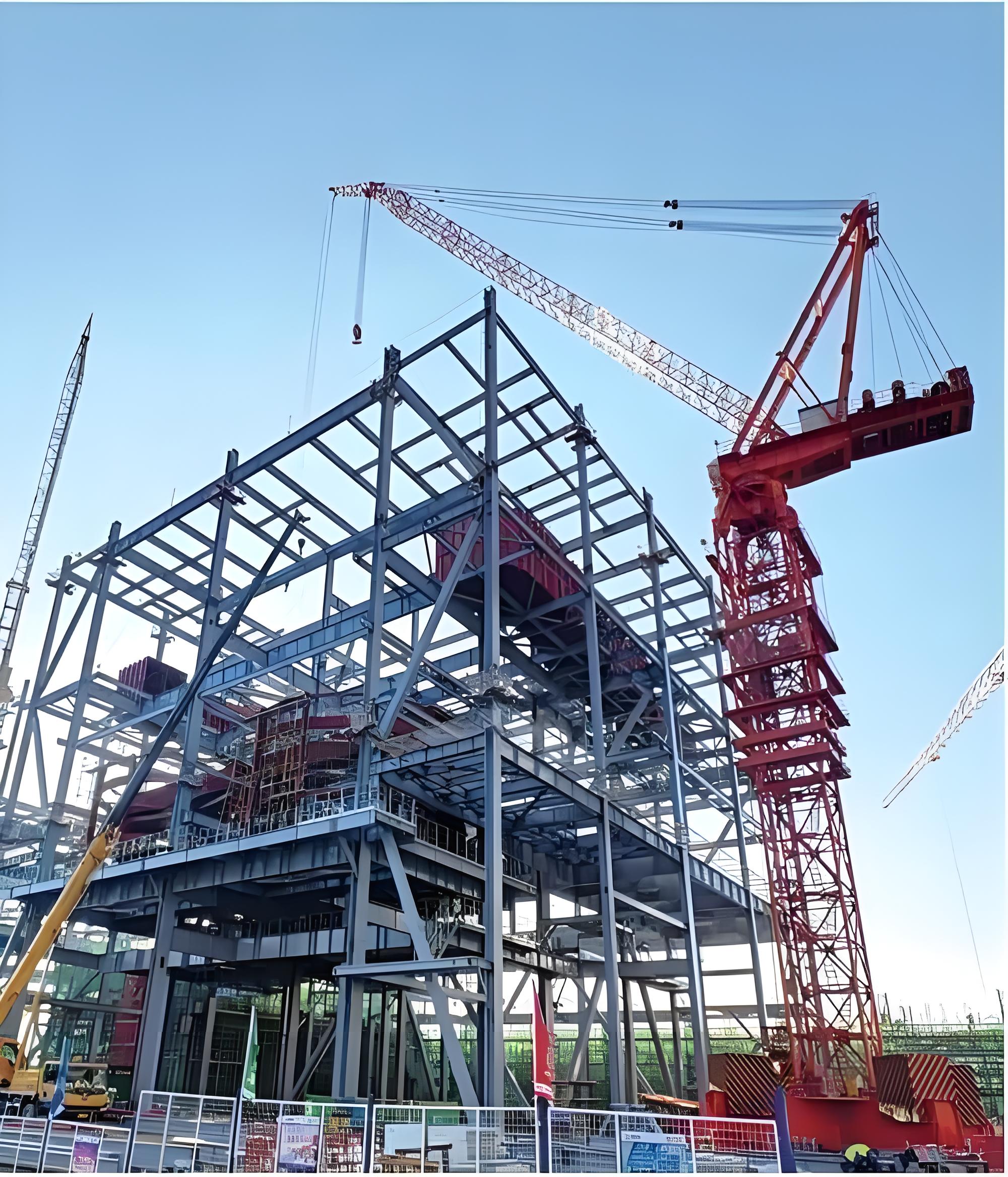
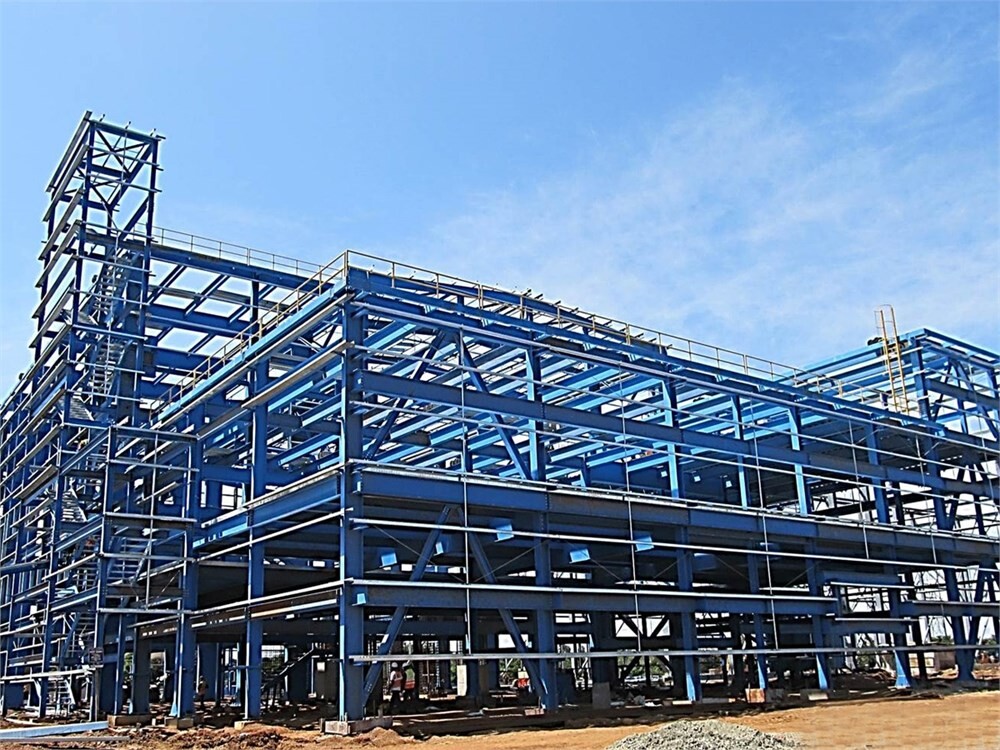
Structural Efficiency Under Heavy Loading. Steel achieves longer spans with fewer columns, freeing usable space for equipment arrangement, piping, maintenance routes, and operational access. AISC notes that longer spans mean fewer columns, while lower structural weight helps foundations move faster. For boiler houses, turbine halls, transfer towers, conveyor galleries, working platforms, and auxiliary buildings, this means concentrated-load capacity without compromising access or installation logic — a practice confirmed by ArcelorMittal's power plant construction guide, which notes the common use of rolled sections and steel frameworks.
Erection Speed and Modular Organization. Fabricated off site and erected with fewer wet trades, steel shortens schedules and reduces coordination risk. AISC notes that fabrication can proceed while other site work continues, and that steel frames are ready for use as soon as they are erected — no curing time required. Faster structural completion also means earlier installation of boiler systems, pipe racks, equipment supports, platforms, and enclosure packages, allowing the project to move smoothly from civil work to mechanical and electrical installation.
Adaptability for Future Upgrades. Power facilities evolve — service routes, platforms, support frames, and equipment zones often require later adjustment. Steel provides the flexibility for reinforcement, extension, replacement, and phased upgrading, so the structure remains an asset as the plant changes over time.
Technical Support We Can Provide
Power plant projects demand much more than standard steel detailing. We can help you sort out the relationship between heavy equipment loads, platform systems, boiler support zones, maintenance passages, bracing logic, erection sequence and future service access before fabrication begins. This is important because in plant structures, technical problems often do not come from one member alone, but from the interaction between structure, equipment and installation sequence.
We use advanced design and detailing tools including PKPM, 3D3S, Midas, Sap2000 and Tekla, and we also apply BIM capability across the project lifecycle. This allows us to support structural optimization, node coordination, deepening work, fabrication preparation and clash reduction between structural members and service systems.
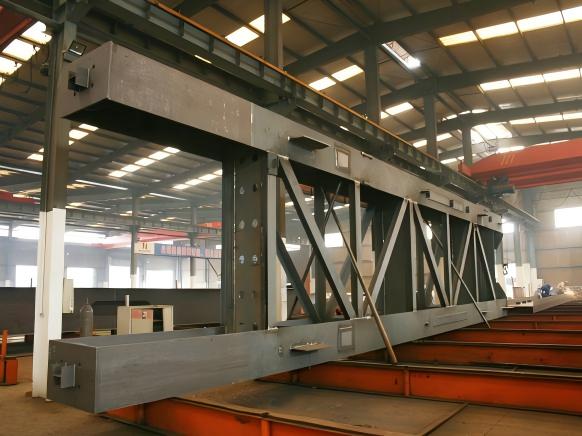
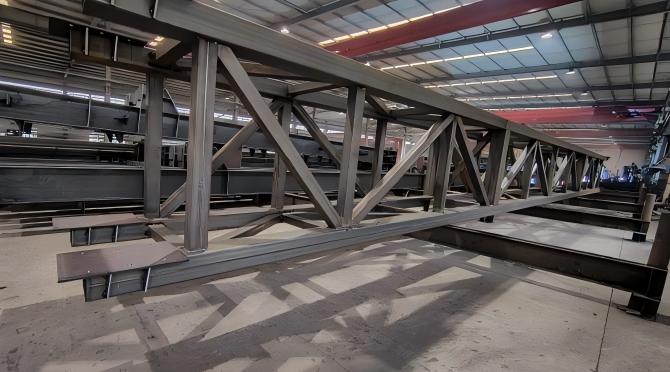
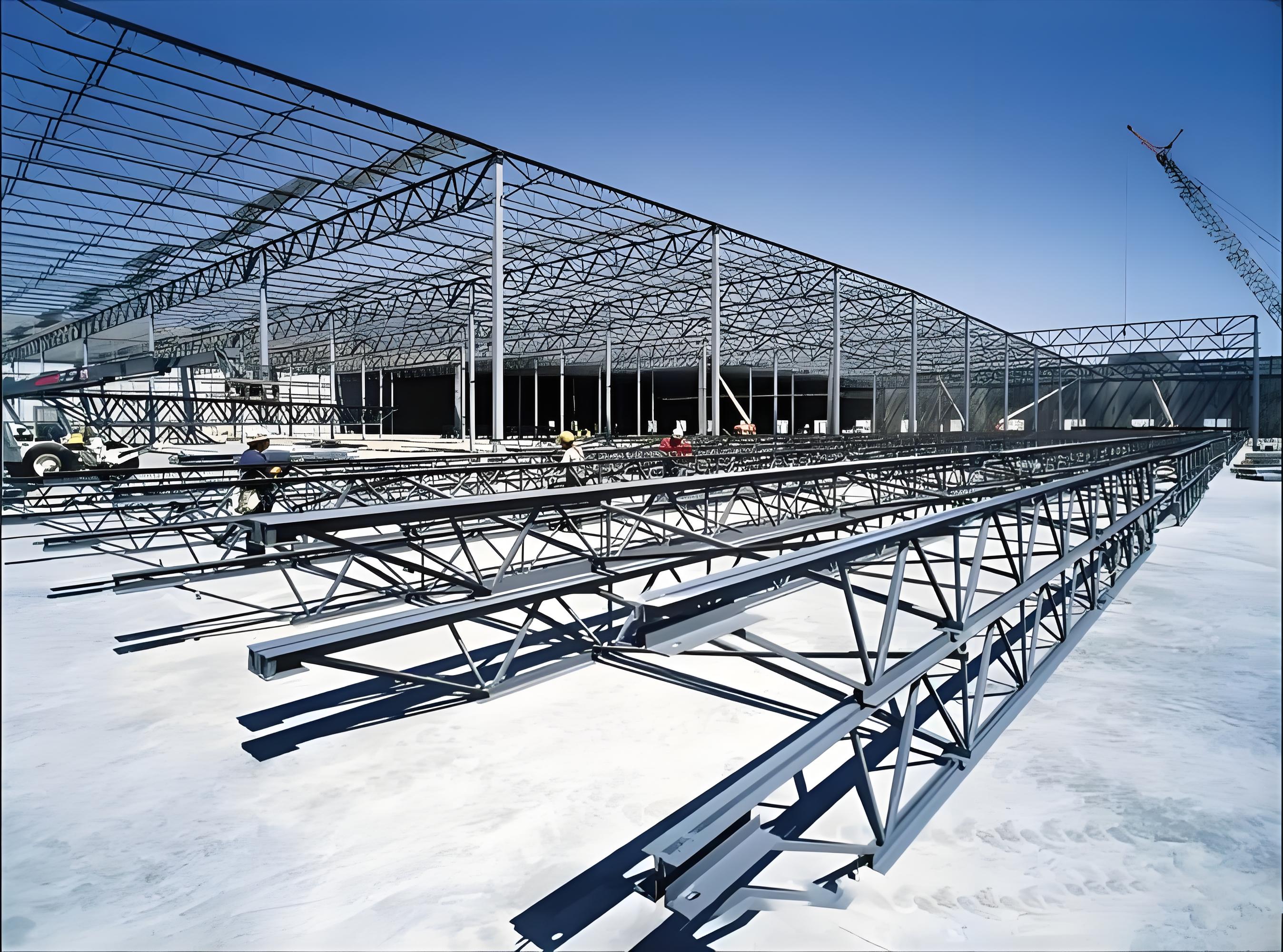
We can also help you assess whether a long-span truss, a framed support system, a platform structure or a mixed arrangement is more suitable for each plant zone. SteelConstruction.info notes that trusses are commonly used in long-span buildings and that certain truss arrangements are also used for crane and industrial support conditions; it also notes that site access and erection sequence can influence whether a truss solution is practical.
This means we do not treat power plant steel structures as generic “heavy steel.” We can help you shape a structure path that is more realistic for fabrication, transport, erection and later maintenance.
Our Strength
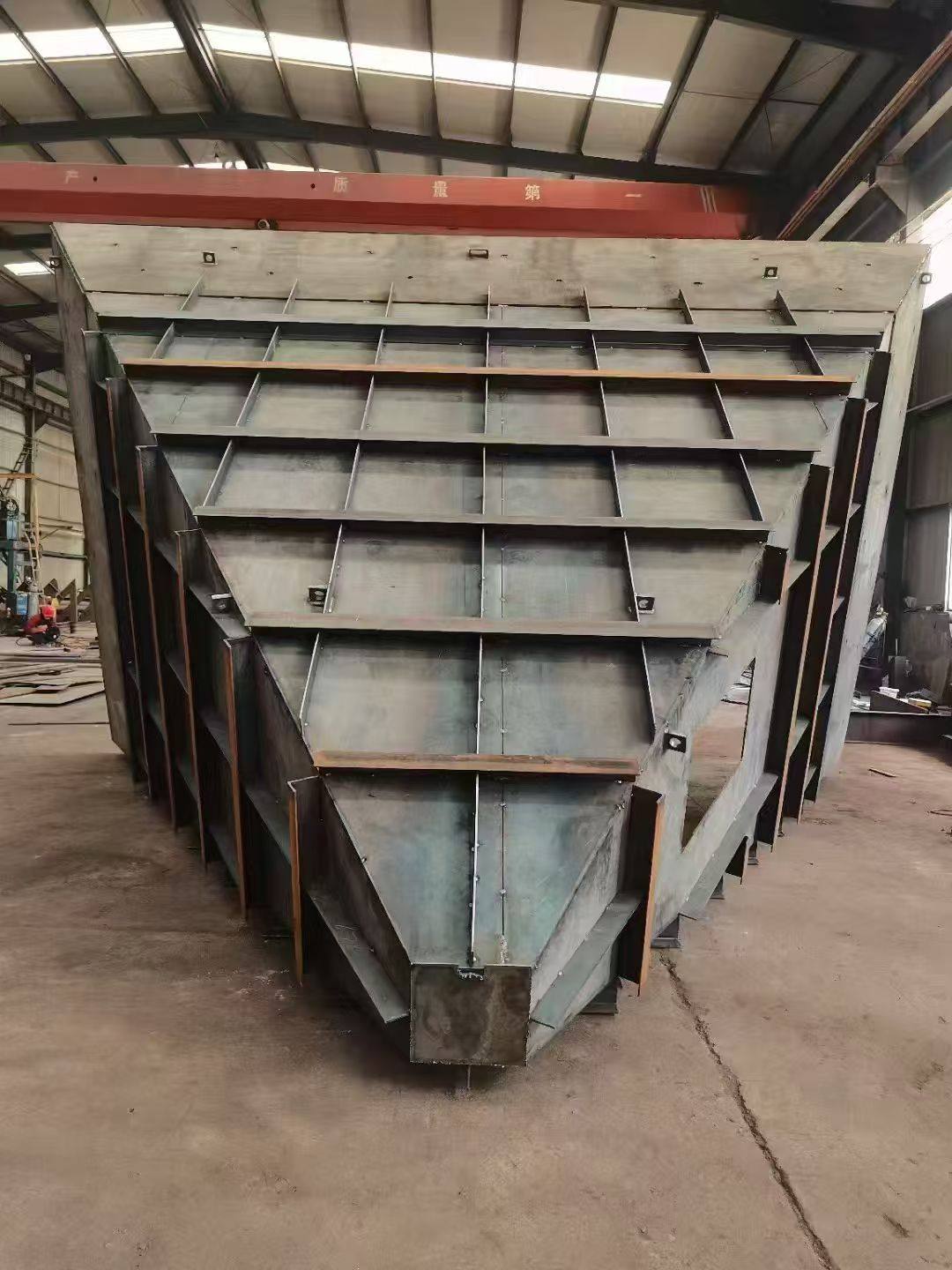
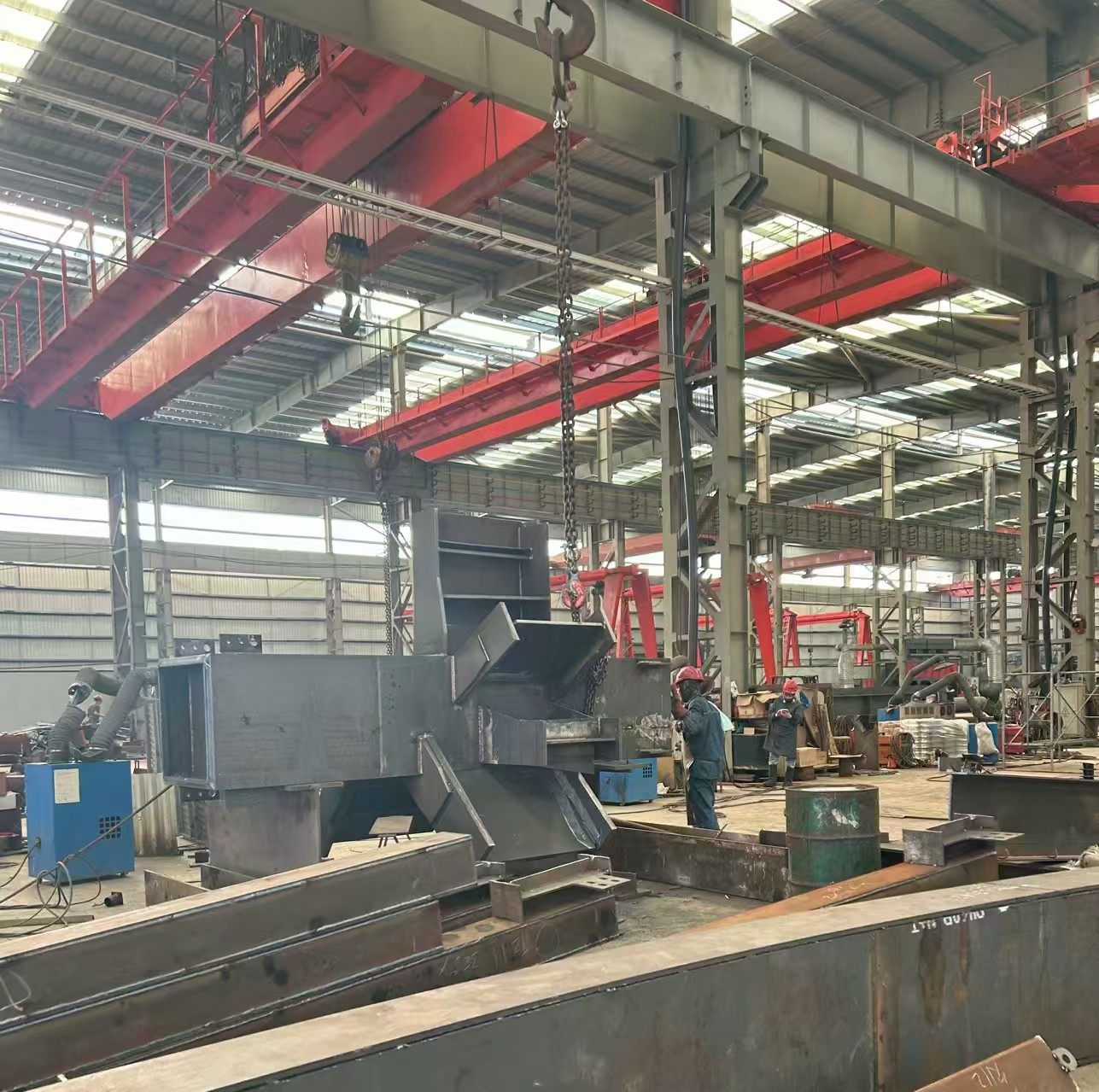
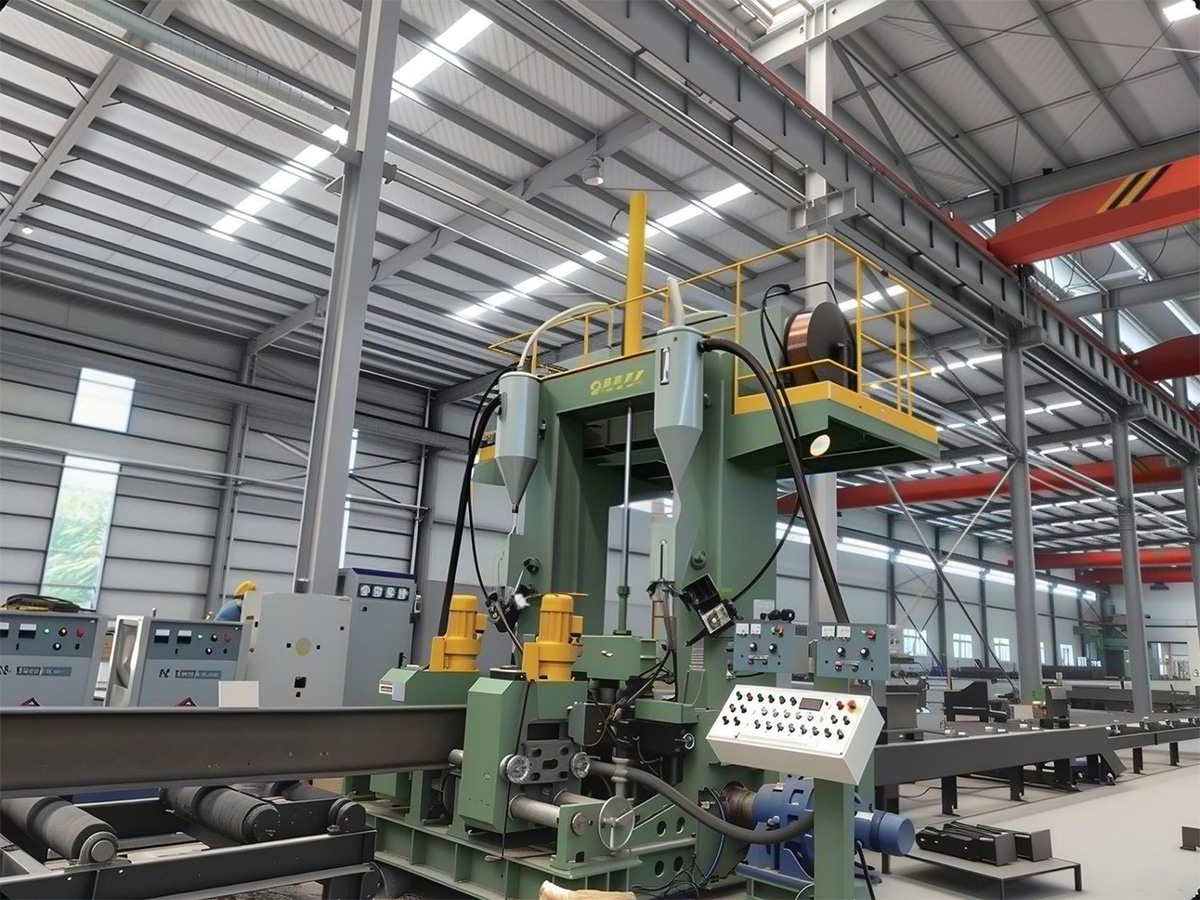
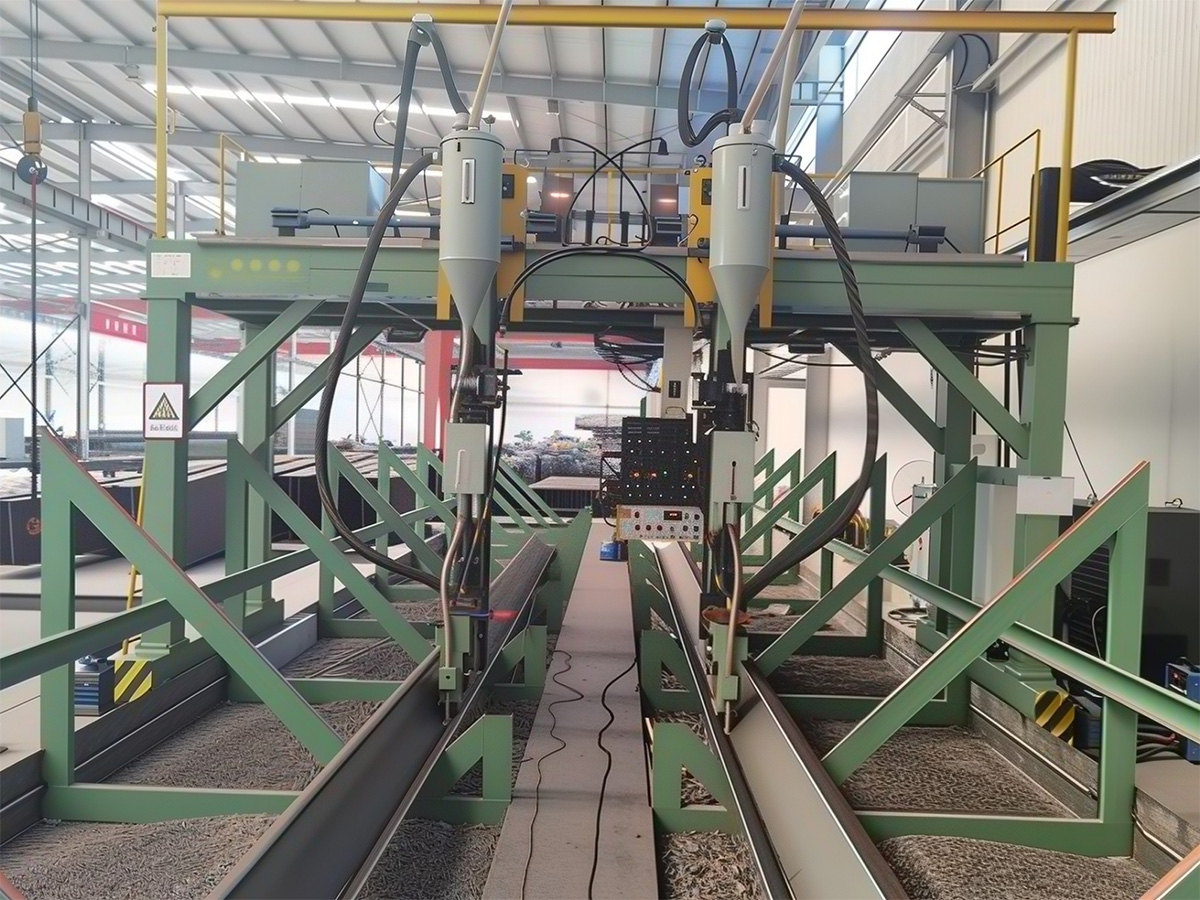
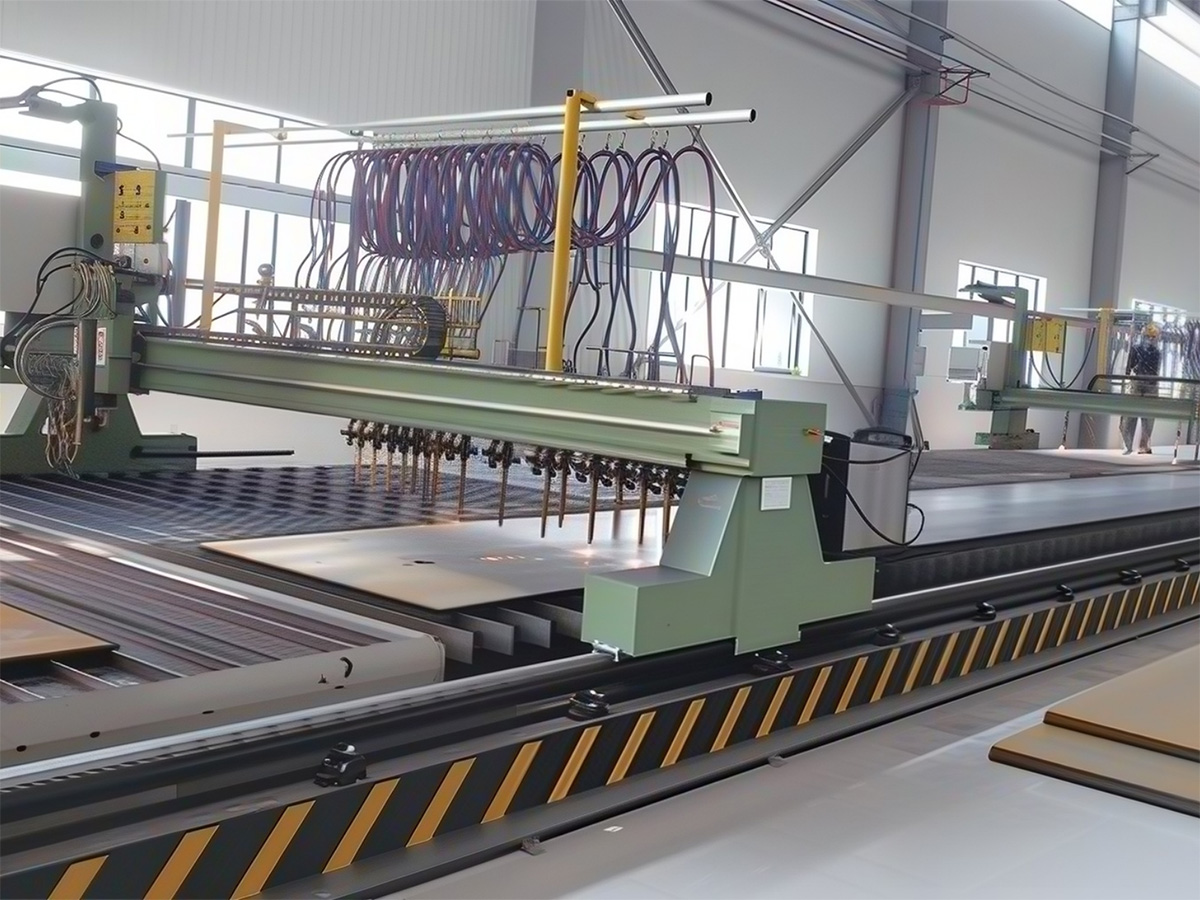
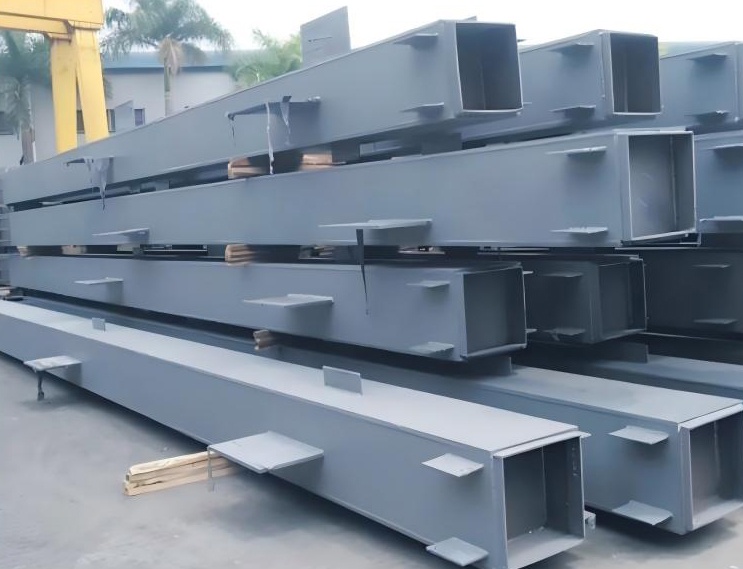
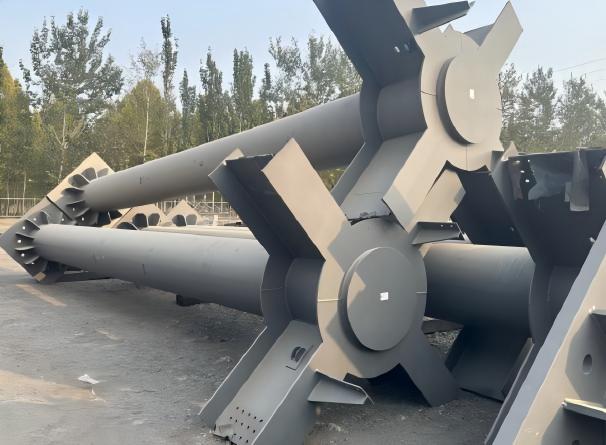
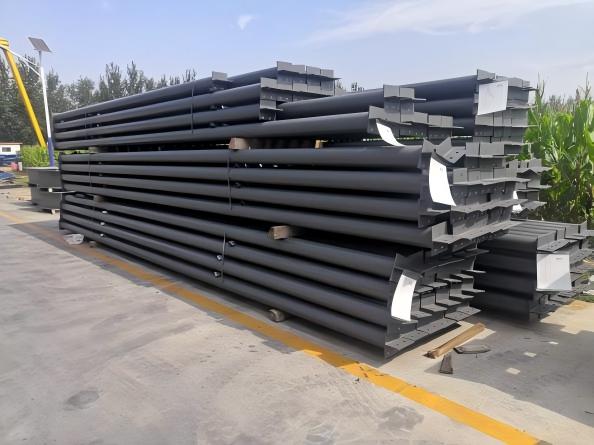
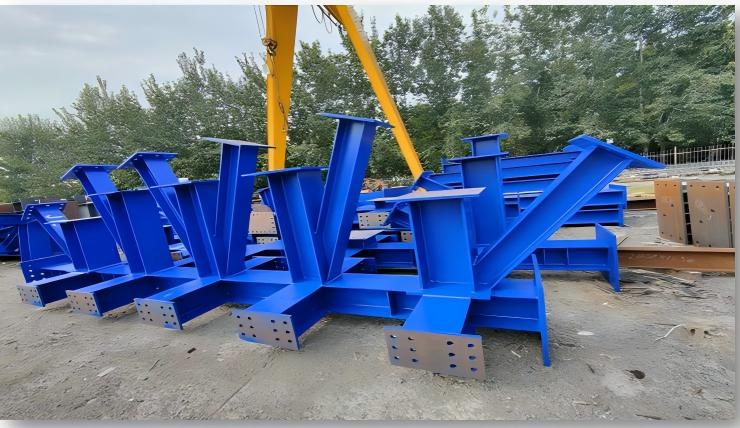
A power plant steel structure project not only tests the structural design, but also the execution discipline. We have 7 steel structure production lines, capable of producing 50,000 tons of various steel structures annually. This enables us to provide stronger support for projects that require heavy manufacturing, system scheduling, and more stable quality output.
Our background goes far beyond ordinary warehouses or factory buildings. We have practical experience in coal chemical and new energy steel structures, intelligent logistics systems, high-cleanliness industrial buildings, complex steel structures, and overseas projects. In addition, the projects we have undertaken also include overseas energy-related cases, such as the fully enclosed coal yard steel grid structure project of the Koswangan Power Station in the Philippines and the 2×330MW power station project in Tal, Pakistan.
This is very important because power and energy projects have significantly higher requirements for project schedule discipline, logical support system, anti-corrosion awareness, maintenance planning, and cross-system collaboration. We can help you reduce such a risk: choosing a team that can produce components but cannot truly undertake the overall execution pressure of the power plant project.
We Provide One-Stop Solutions
Plant projects become difficult when the structure is broken into disconnected packages. One team handles the main frame, another handles platforms, another handles auxiliary supports, and later someone else handles packing and delivery. The result is often interface confusion, delayed clarification, missing coordination and rising hidden cost.
We provide a one-stop workflow that connects technical communication, structure planning, node detailing, fabrication, inspection, packing and delivery follow-up into one organized chain. We can help you simplify project management, reduce interface loss and keep the structural logic consistent from early technical discussion to shipment.
This integrated approach becomes particularly valuable in power projects because the structure is tied to many downstream systems: boilers, piping, equipment support, conveyor galleries, maintenance areas and enclosure interfaces. We can help you keep these relationships visible earlier, instead of letting them turn into site-stage problems later.
Our Team and All-Day Project Support
Behind every plant steel structure project is a team that keeps the project moving across multiple technical layers. Our technical and project support team includes experienced engineering personnel who can stay involved in structural communication, drawing confirmation, support-frame coordination, production follow-up and delivery preparation. This helps maintain project continuity in environments where many structural zones and many equipment interfaces must stay aligned.
We can help you with all-day project support, especially when the schedule is tight, technical clarification is frequent or cross-border coordination is involved. Instead of leaving key questions waiting between departments or time zones, our team can continue pushing technical and execution matters forward in time.
For power plant structures, this kind of support matters because problems often appear between systems, not inside one isolated drawing. Stronger follow-up means fewer interruptions and better control over the full project rhythm.
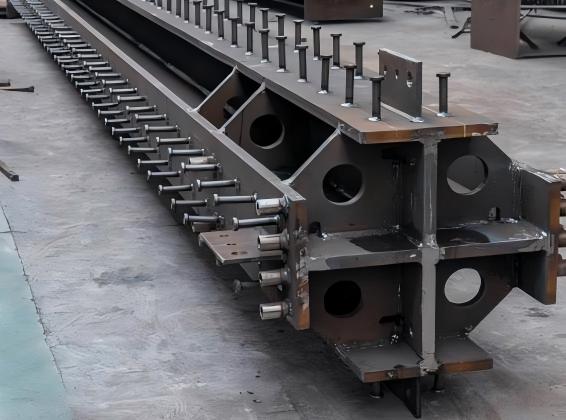
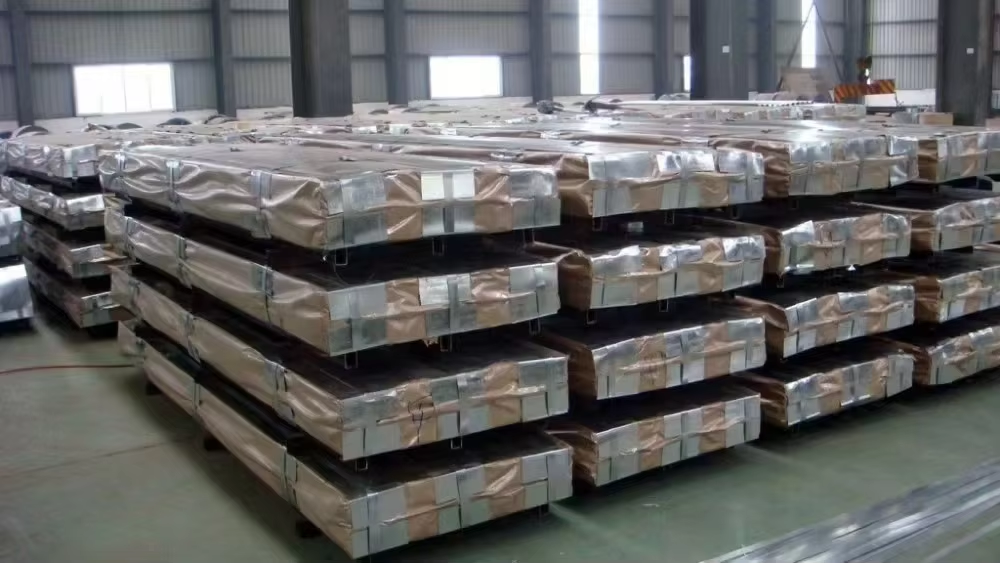
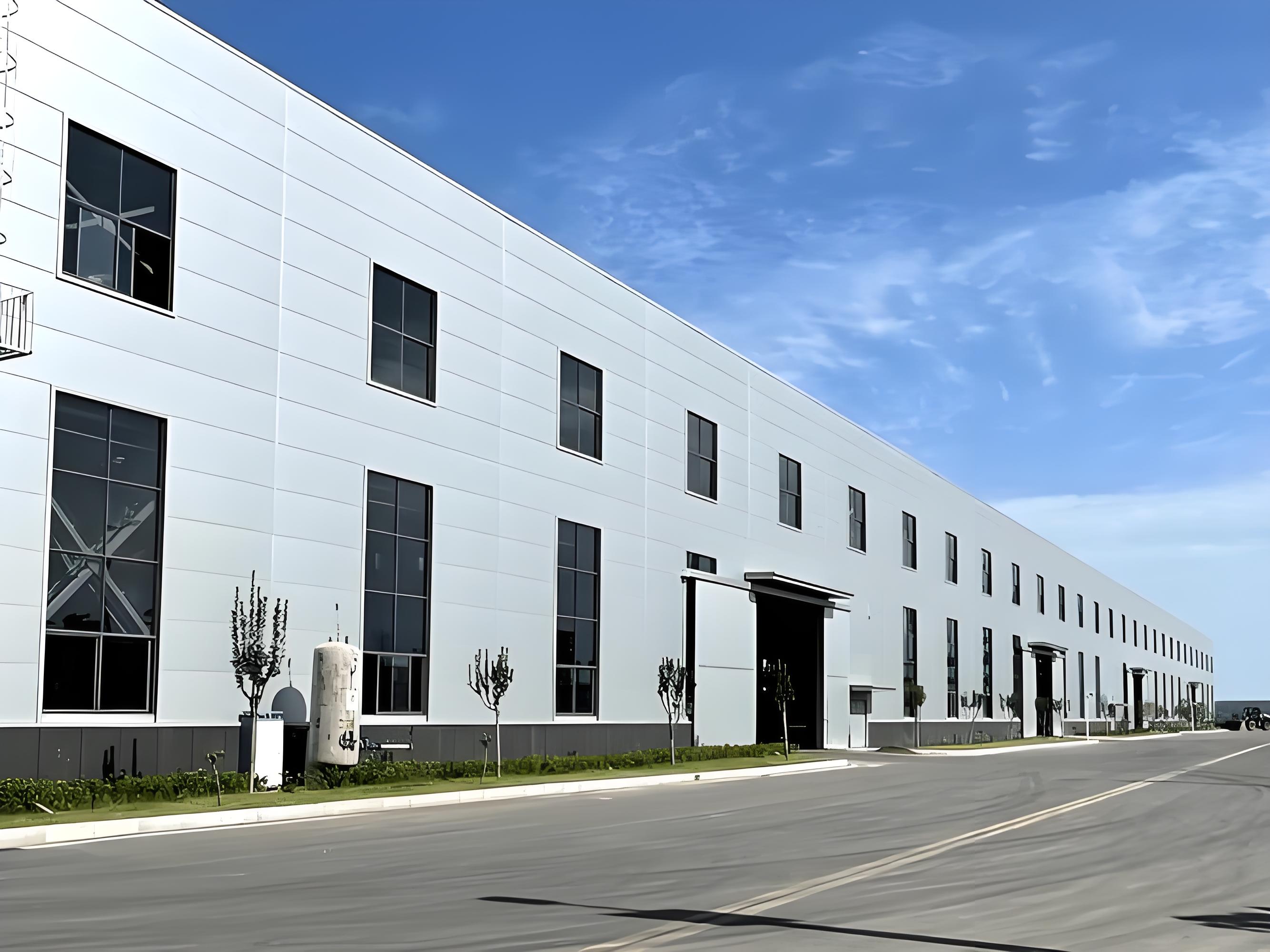
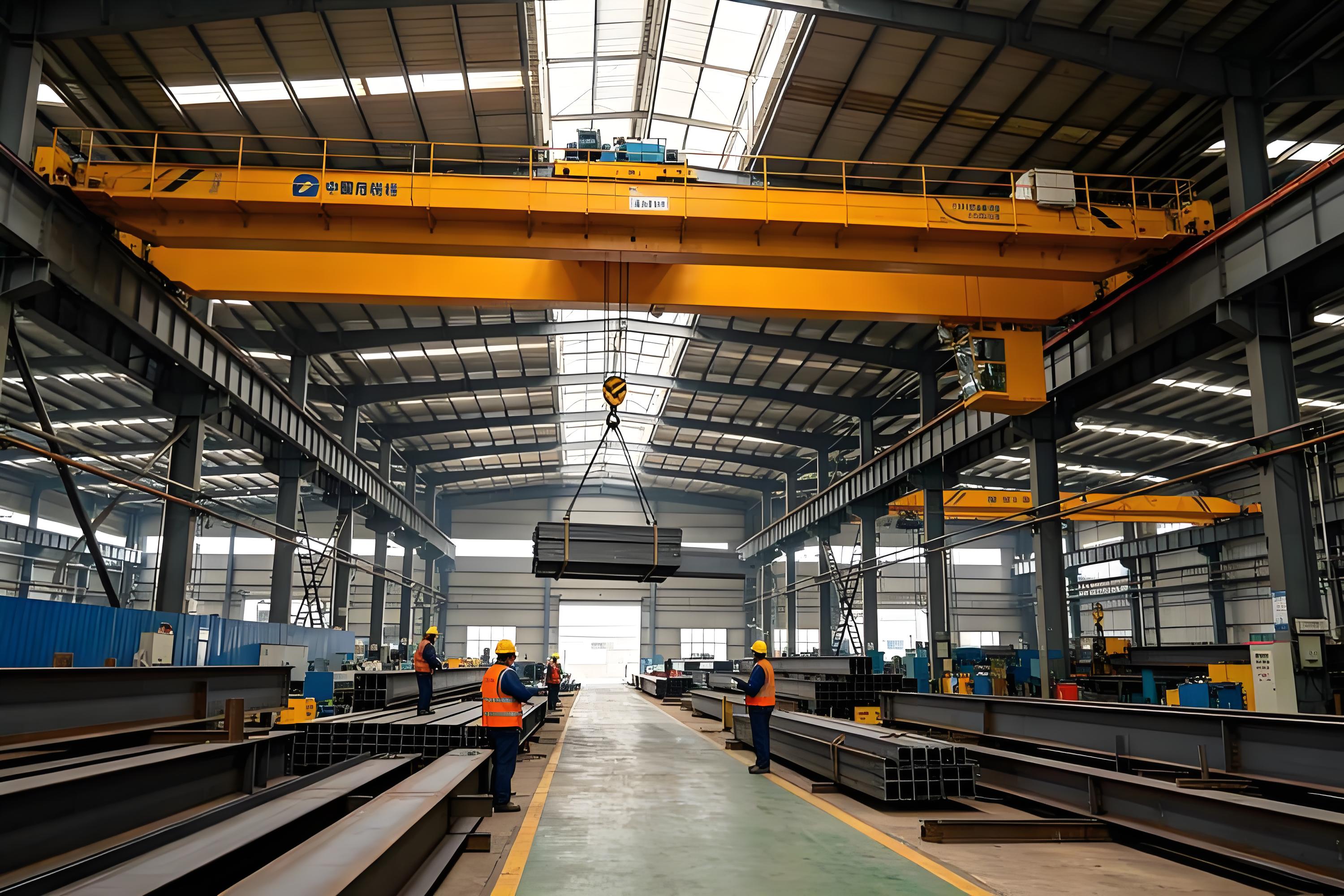
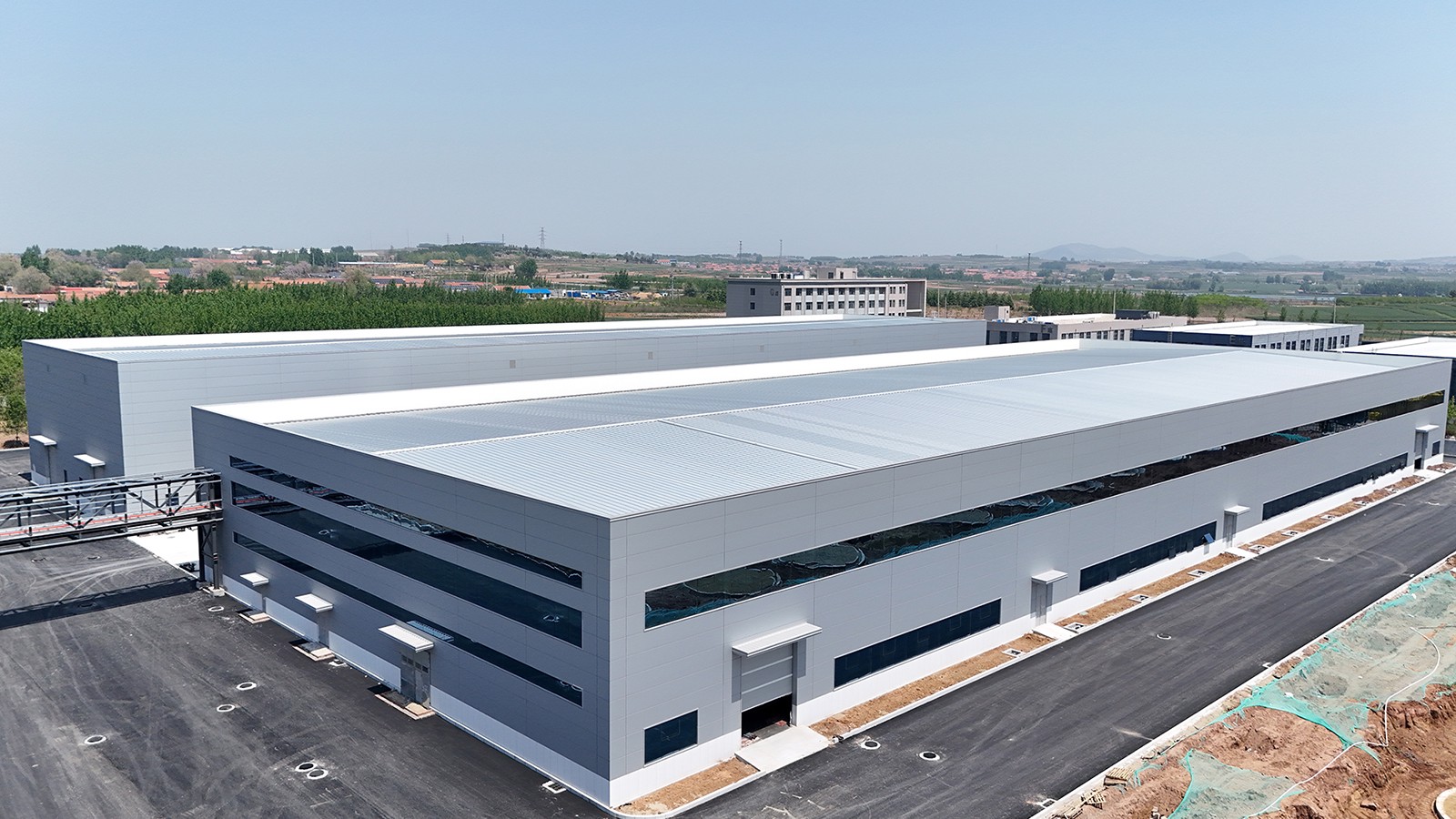
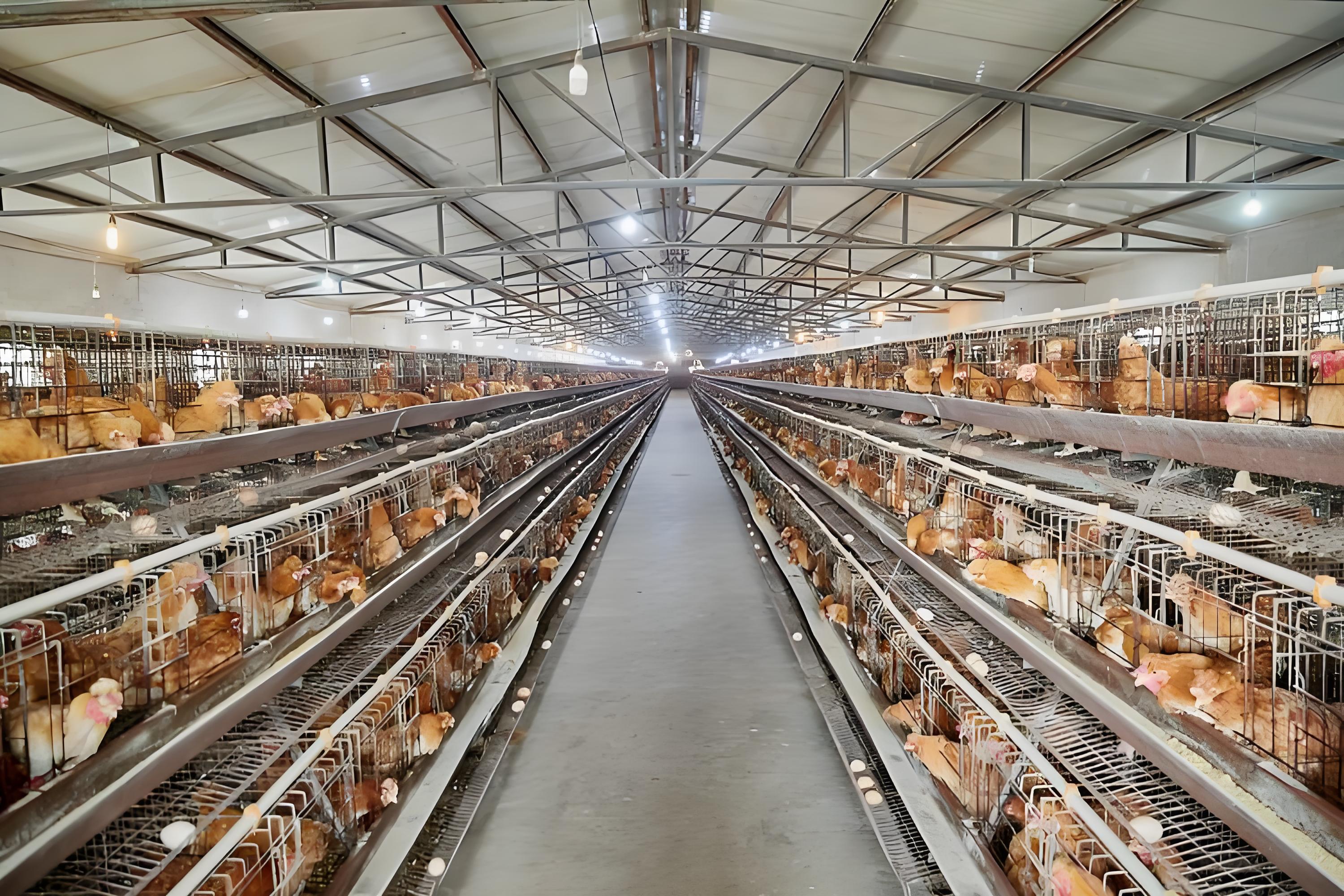
Factory Display
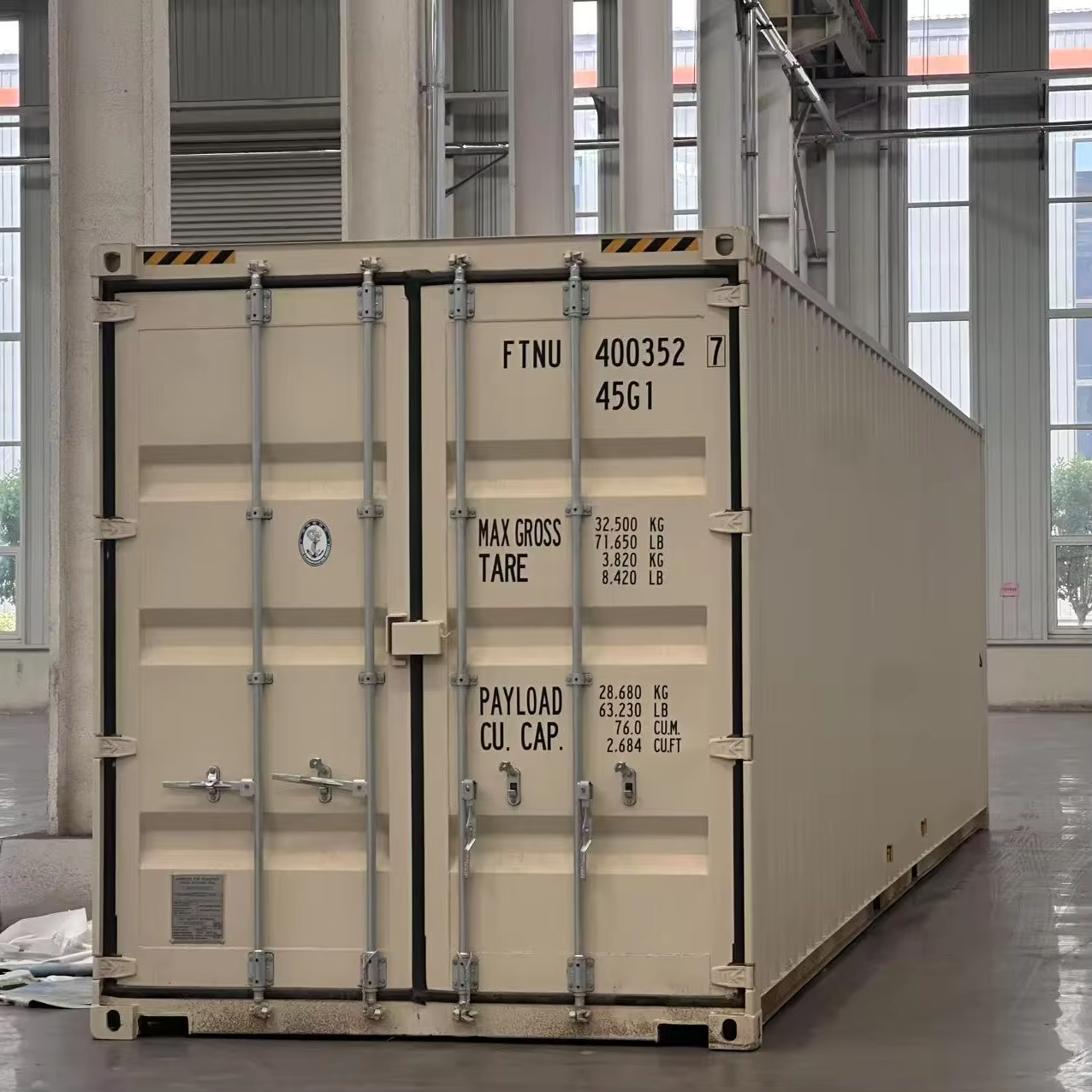
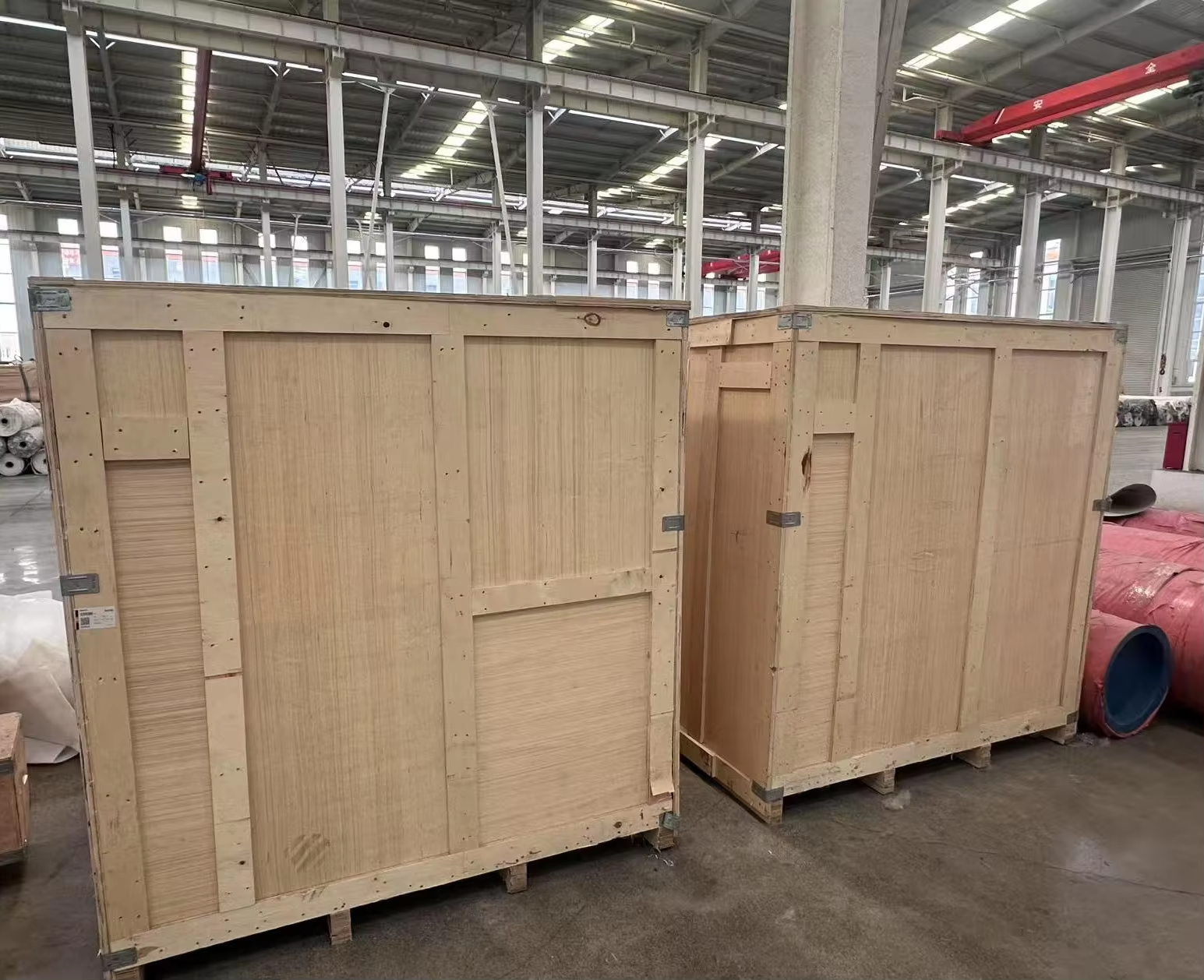
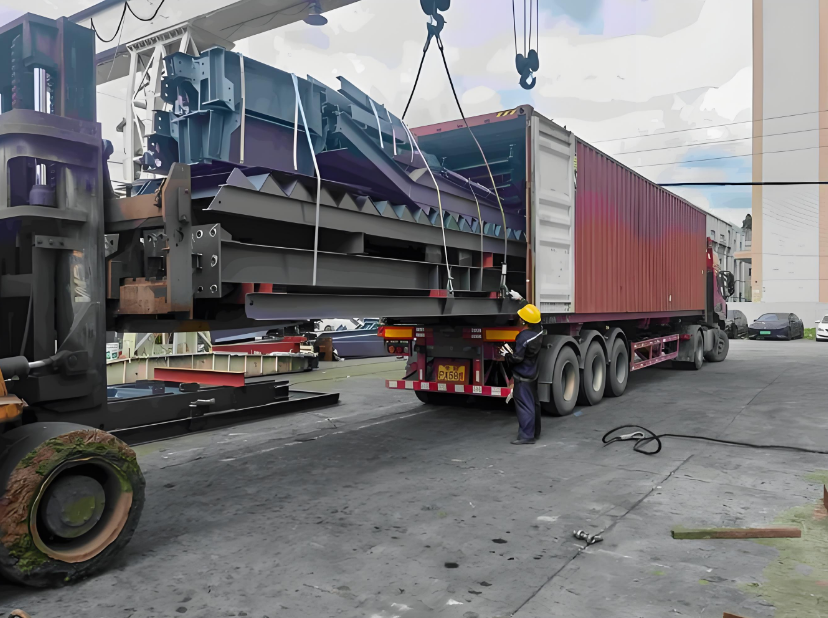
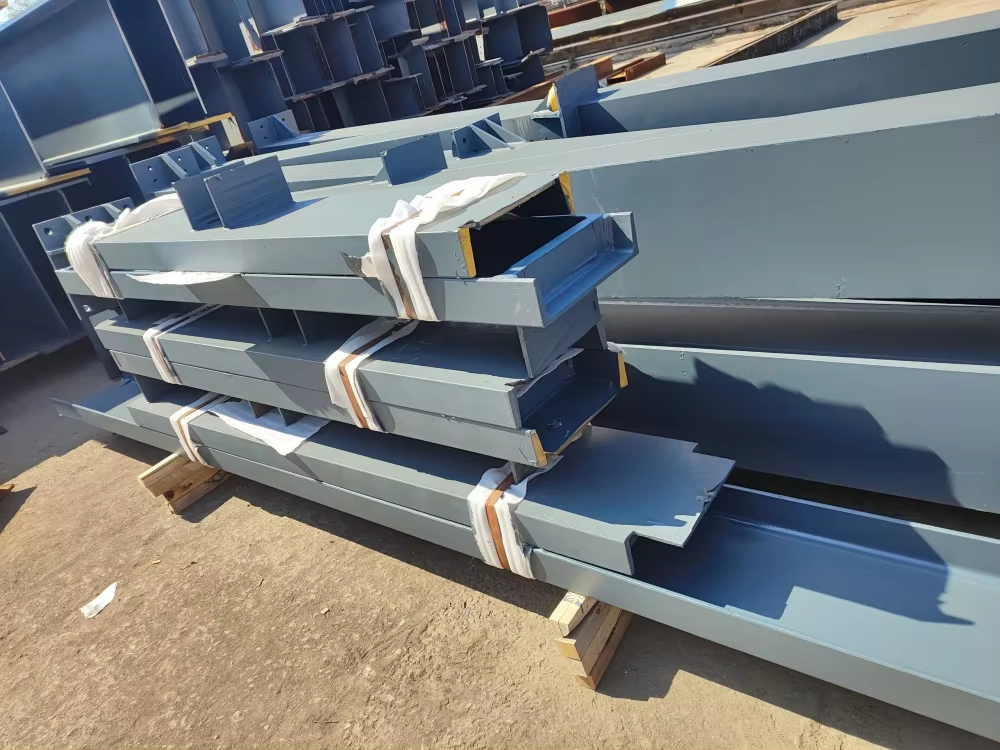
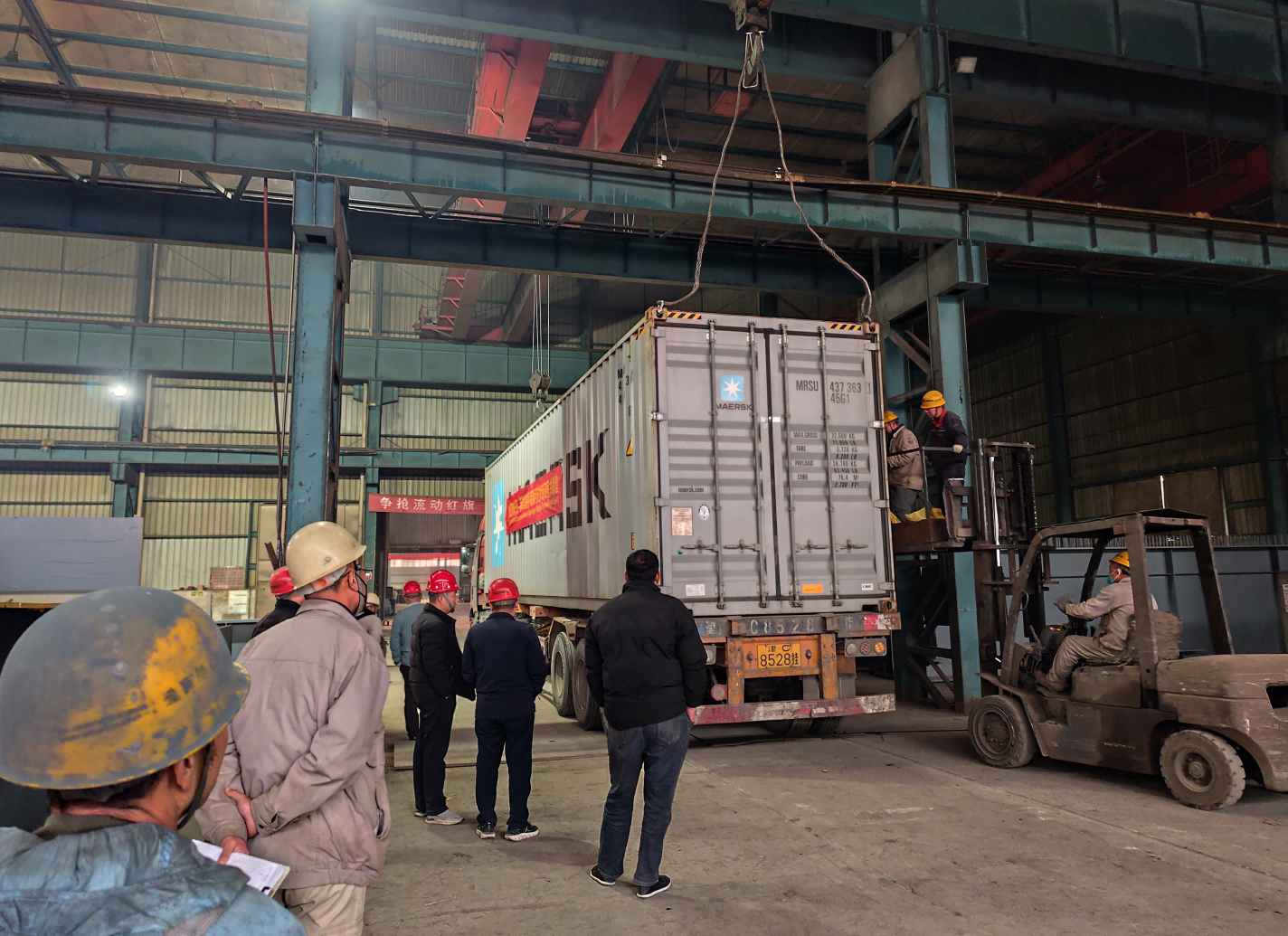
Packing & Delivery
FAQ
What one-stop services and technical support can we provide for overseas steel structure projects?
For overseas steel structure projects, our one-stop services include:
Design & engineering — structural optimization, detailing and drawing confirmation tailored to local codes and site conditions
Fabrication — precision manufacturing in ISO 9001-certified facilities, with strict quality inspection at every stage
Export packing & logistics — seaworthy packing, clear documentation and coordinated shipping for long-distance delivery
On-site support — installation guidance, bolted-assembly documentation and responsive technical consultation until your project is operational
Technical support runs throughout: we confirm design details before fabrication, align drawings with production, and stay available after delivery—so every unclear point is resolved before it becomes a problem on site.
Why choose us rather than other suppliers?
We are built for overseas projects. Remote ordering, long-distance shipping and on-site assembly are our normal working mode—not exceptions we improvise around.
Engineering comes before fabrication. We confirm loads, layout, lifting logic and interfaces in the design stage, so problems are solved on paper, not after materials are cut.
One integrated chain, not disconnected handovers. Design, detailing, fabrication, inspection, packing and delivery follow-up run in one coordinated flow—reducing the mismatches that cause delays and cost overruns.
We stay available after shipment. Installation support and technical consultation continue until your facility is operational, not just until the container leaves the port.
Many suppliers can quote a price. What we offer is a predprojects, giving us stronger practical capability in international project delivery and on-site cooperation.
What products do we supply?
Industrial buildings — workshops, warehouses and general industrial structures
Infrastructure — bridges, Bailey bridges and grid (space-frame) structures
Specialized buildings — villas, cold storage facilities and livestock buildings
Custom steel components — fabricated to your drawings for project-specific needs
Quality, manufacturing accuracy and delivery reliability are at the core of everything we ship. With our own factory and professional engineering team, we provide project-based custom solutions tailored to your drawings, technical requirements, application scenarios and site conditions—so the final structure fits the real project, not just the spec sheet.
How can we ensure quality?
Certified manufacturing — components are produced in our ISO 9001-certified facilities under controlled processes, with precision tooling and trained fabrication teams
Multi-stage inspection — quality checks run at every critical point: incoming materials, cutting and drilling, welding, surface treatment and final assembly
Dimensional verification — key dimensions are checked against approved shop drawings before packing, so what ships matches what was confirmed
Traceable documentation — material certificates, inspection records and packing lists accompany every shipment, giving you a clear paper trail from factory to site
For overseas projects, we add one more layer: drawings and production are aligned before fabrication begins, so quality issues are prevented at the design stage rather than discovered after shipment.
Who are we?
At our core:
A factory we own — multiple production lines in ISO 9001-certified facilities, giving us direct control over fabrication quality, scheduling and packing
An in-house engineering team — experienced in structural design, detailing and drawing coordination, working with tools including PKPM, 3D3S, Midas, SAP2000 and Tekla
An integrated service chain — from design and detailing to fabrication, inspection, export packing and delivery follow-up, managed as one coordinated flow rather than disconnected handovers
Global project experience — we serve industrial, agricultural and offshore clients across markets, and treat remote ordering, long-distance shipping and on-site assembly as our normal working mode
Put simply: we are the kind of supplier overseas buyers can rely on to communicate clearly, manufacture consistently and deliver as agreed—from the first drawing to the final bolt.
Online Consultation
Related Suggestion
 Commercial Buildings
 Multi-storey steel structure plant
 Large steel structure plant
 Prefabricated Steel Warehouse with Crane System Industrial Lifting Ready
 Modern prefabricated steel structure modular warehouse
 Chicken poultry Egg-laying chicken breeding factory building
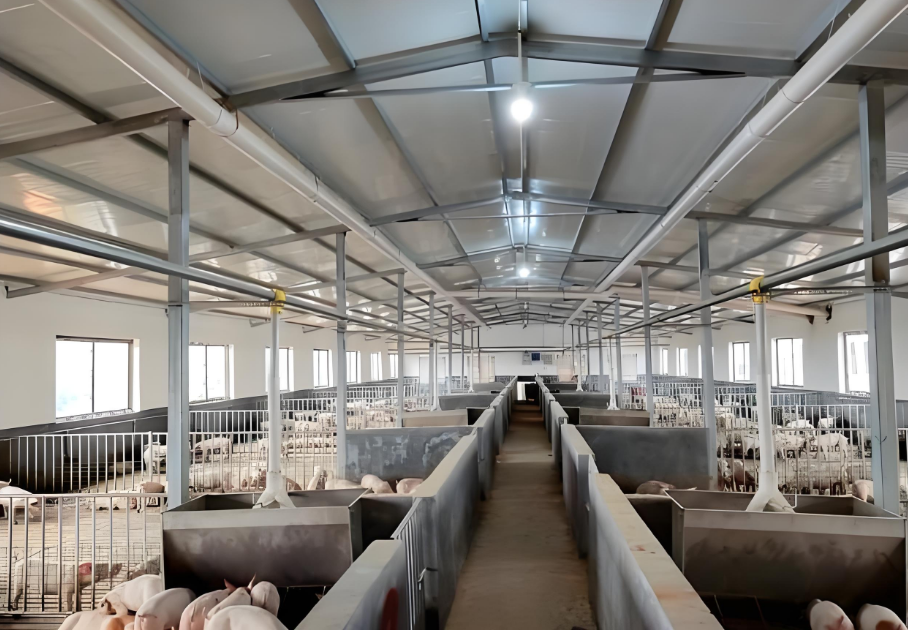
 Prefab Steel Livestock Barns for Cattle, Sheep & Pigs-Strong, Ventilated & Easy to Assemble
 Modern Multi-Story Steel Apartment Steel Structure Hotel Building
 High Strength Modern Bailey Bridge Design and Fabrication Prefabricated Steel Pedestrian Bridges
 Marine Engineering
 Prefab Livestock Buildings Corrosion-resistant Durable Steel Construction for Modern Cattle, Sheep, and Pig Farms
 Multi Storey Full Designed Set Steel Structure Warehouse Office Workshop Commercial Industrial Buildings
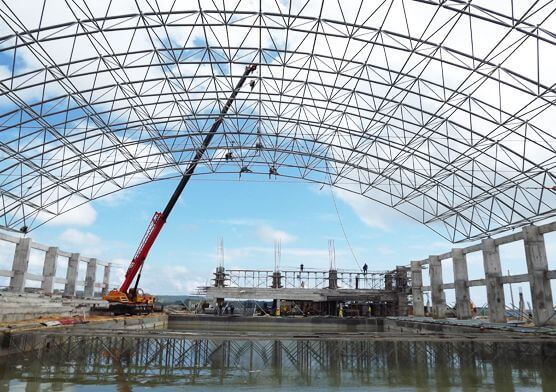
 Arch Space Frame
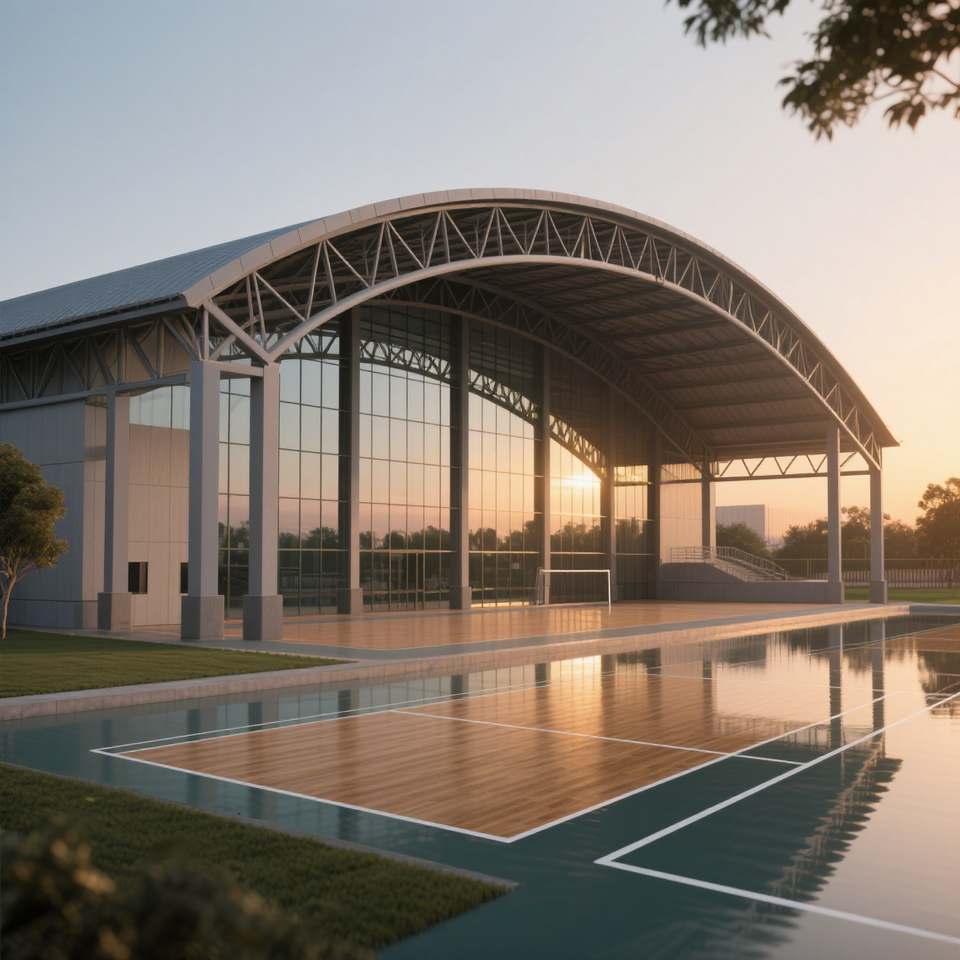
 Prefab Light Steel Structure for Large Span Gymnasium
 Steel Structure Workshop & Warehouse Building
 AISC Standard Joint Truss Beam Steel Structures
 Outdoor billboard
 Steel Frame With Mezzanine Floor
 Stereo garage
 Steel structure stairs, floor decking
 Full Roofing Walls Windows and Doors Customized Set Steel Structures Warehouse and Buildings
We are more than happy to serve you here. If you have any question, please feel free to contact us.